







Voice in the Dark
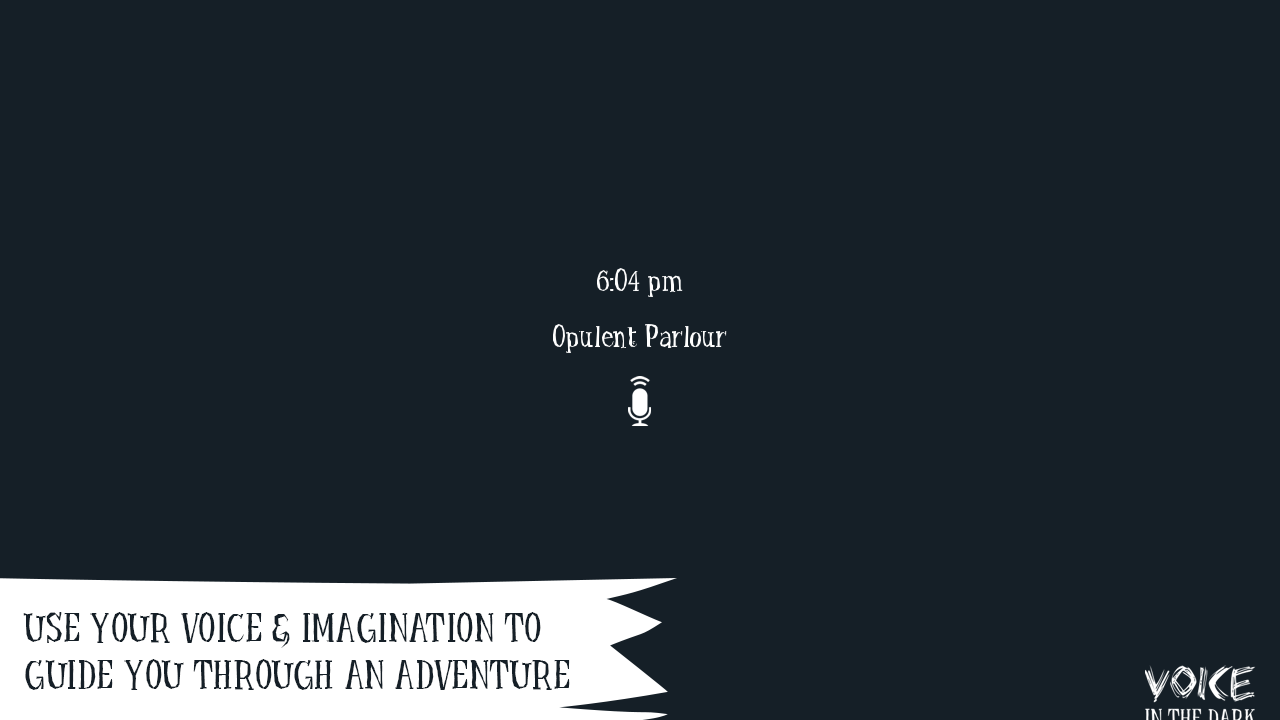
Use only your voice to control your movement and actions, and listen as the game responds to unveil what you discover while exploring the haunted Fletcher Mansion.
You are not alone: a malevolent presence stalks your progress. You must uncover the mansion's mysteries and find it's hidden treasures before midnight... or else. Survival depends on the your choices in this adventure inspired by the classic text-based adventures and old-fashioned radio plays.
Voice in the Dark is rated over 4.5 in the Google Play app store.


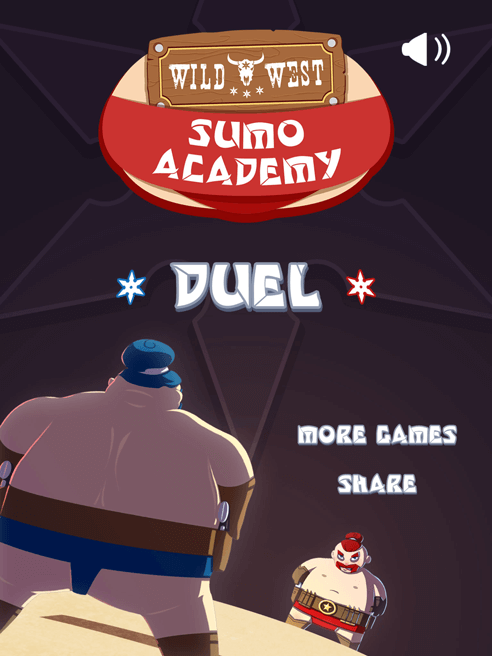
Wild West Sumo Academy
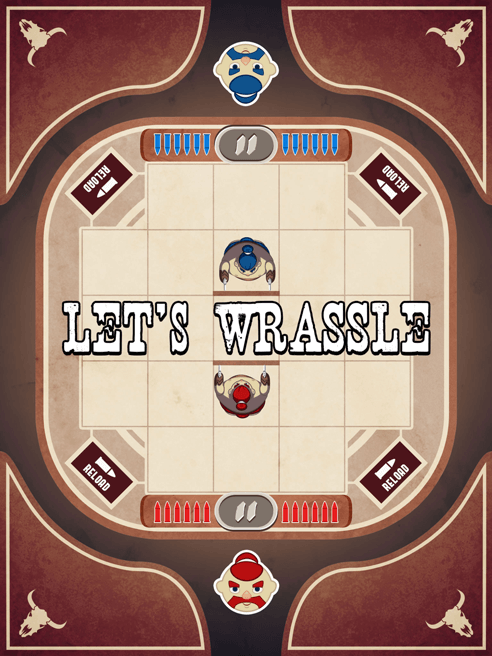
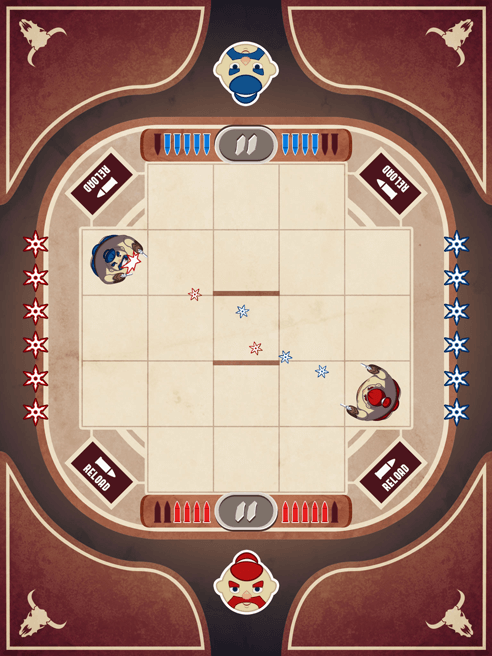
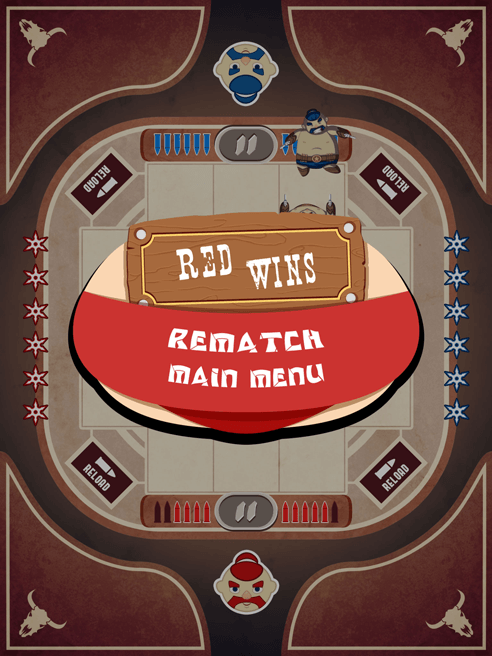
Blast gun-shot shurikens at your chunky adversaries as your meaty bodies collide!
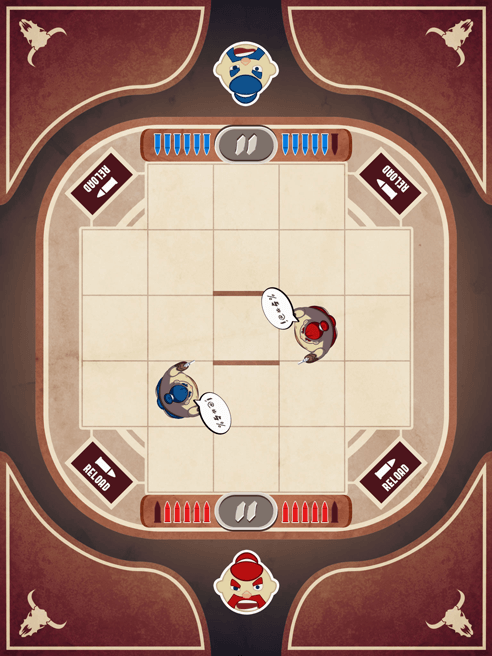
Challenge your friends in this new take on competitive sumo wrestling that combines the best of the West with the Land of the Rising Sun! You must outwit, outmaneuver, and stun your hefty classmates to earn the distinction of slamming them out of the ring! It’ll take all you’ve learned at the prestigious Wild West Sumo Academy to graduate with honour!
Don’t get caught with an empty shuriken chamber, though. After all, this town isn’t big enough for both bellies…
- Fast-paced one-handed gameplay
- Local Competitive Multiplayer
- Challenge your friends in a “Best of Infinity” tournament
- You’ll clench so tight your sumo thong snaps!
Projection
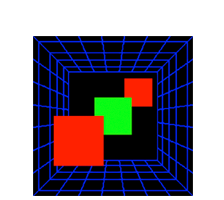
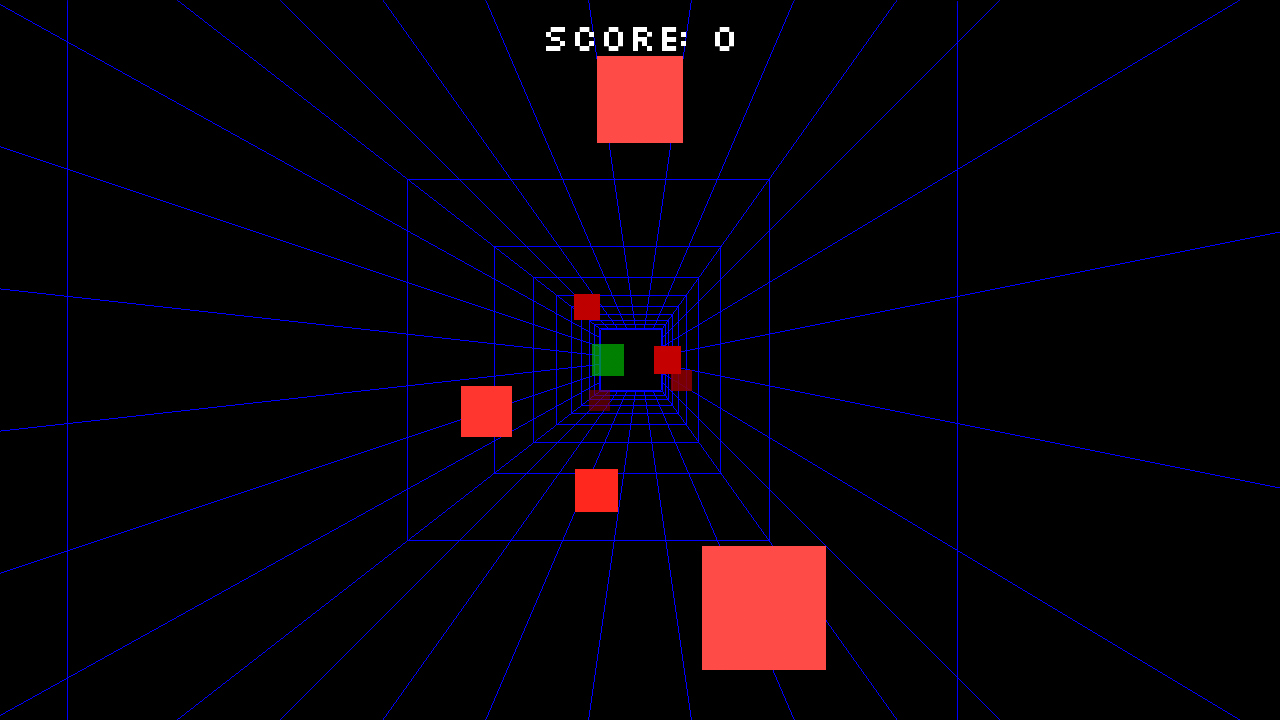
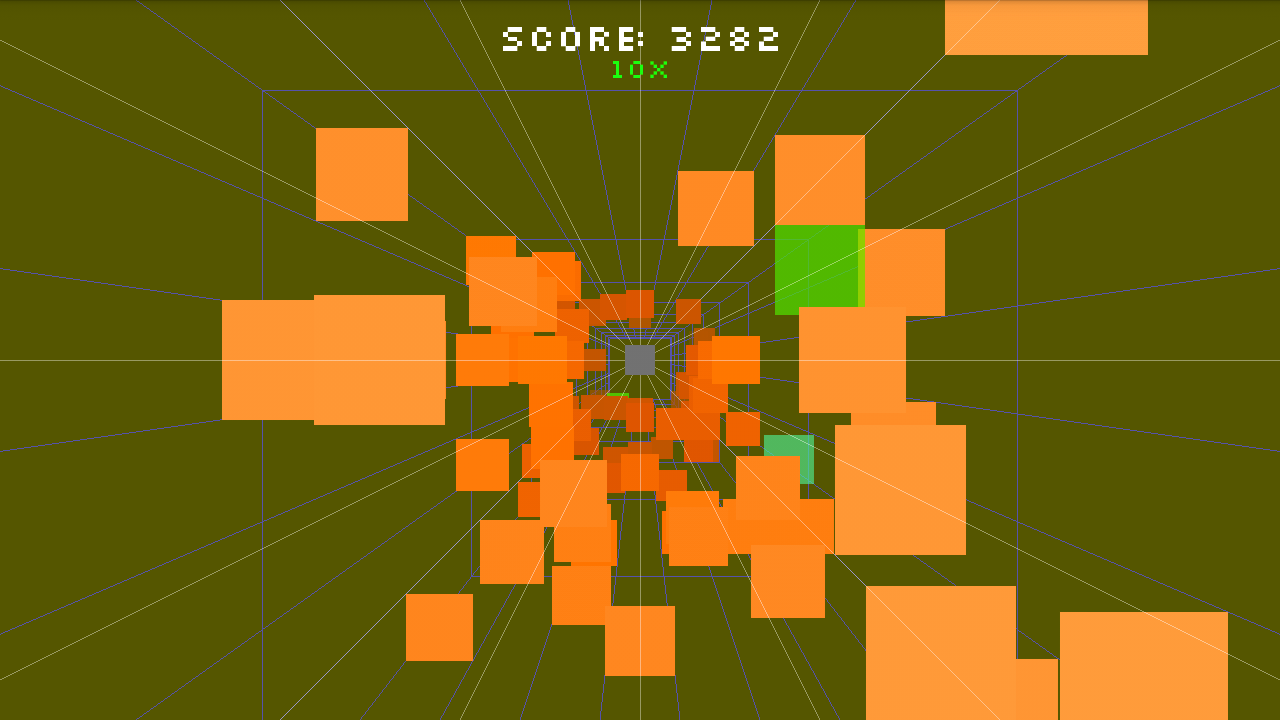
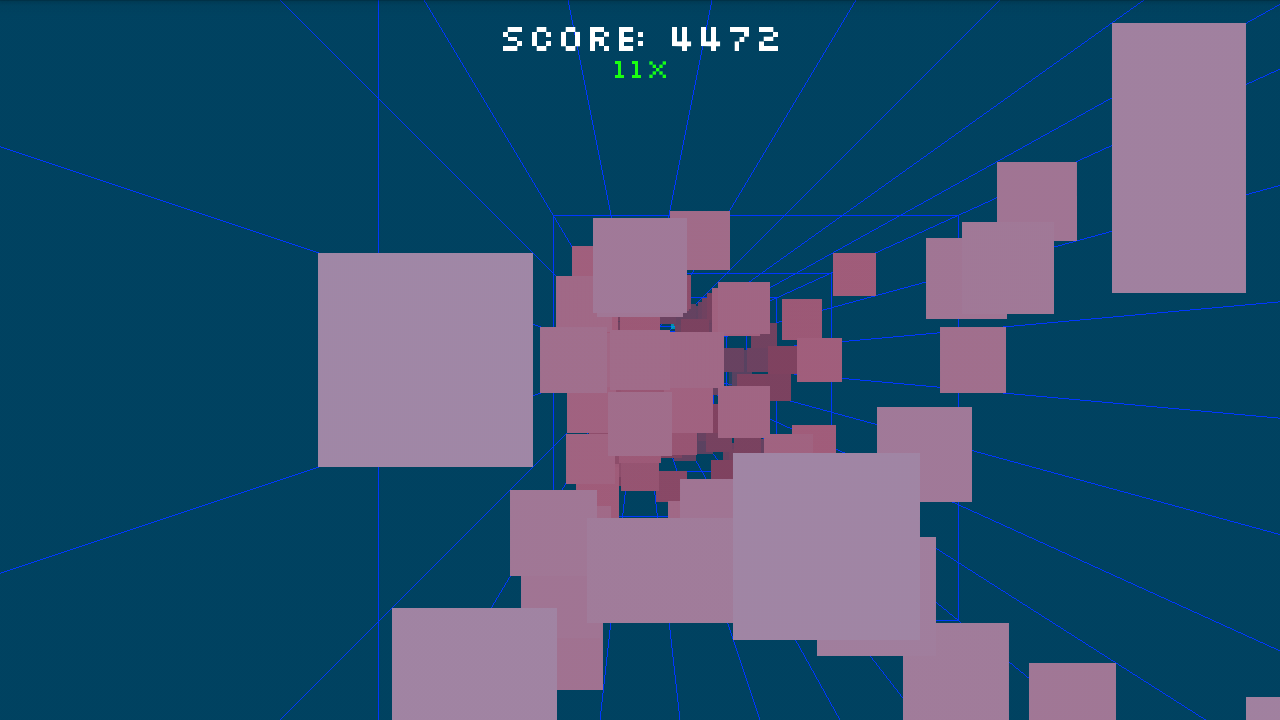
An old school, classic arcade style game! If you like pixels, you'll love this game which features their larger cousins: squares! This is a simple game with a simple goal: Don't hit the red squares.
- Dodge the Red squares
- Collect Power-Ups
- Get the Highest Score!

Fletch Quest
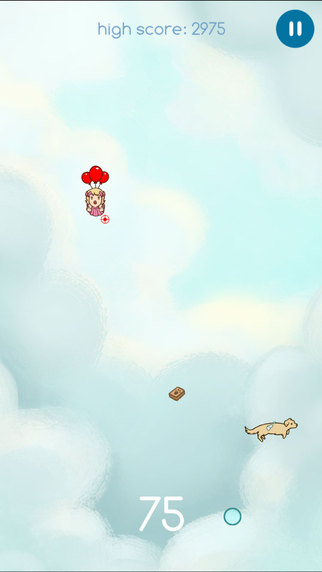
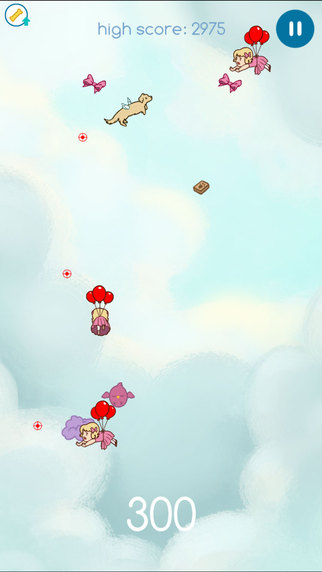
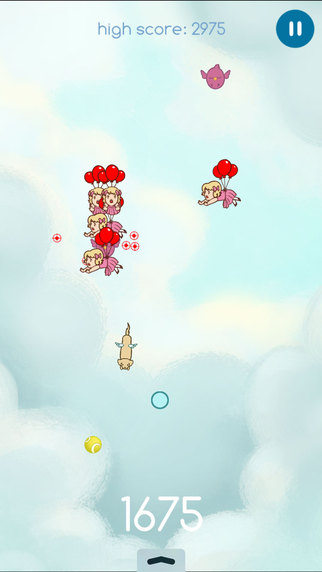
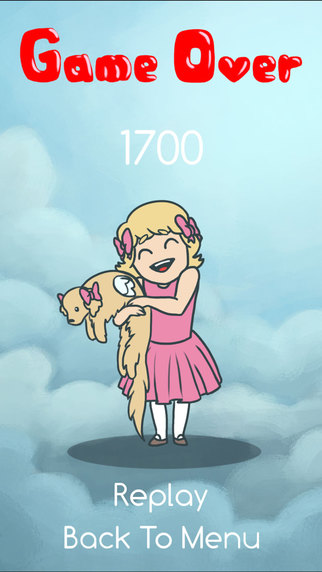
Pounce into a day in the life of the extraordinary, adorable, flying wiener dog: Fletcher!
Fletcher’s only quest in life is to eat treats and play with toys. Unfortunately, the Evil Little Girls (ELG) will not leave him be! Avoid the ELG’s attempt to attach uncomfortable bows to Fletcher’s fur by guiding him around pesky birds and stray balloons to get his paws on delicious treats and the squeakiest of toys!

Mine-R
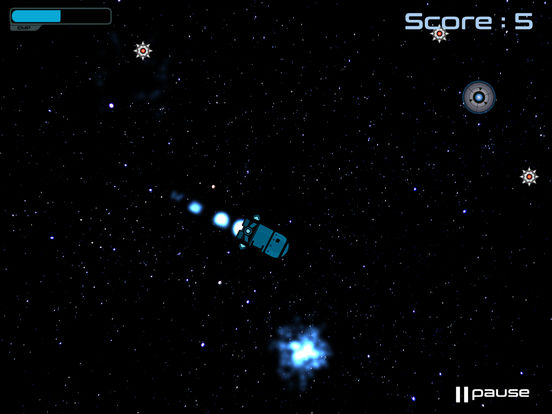
Stranded. All alone in space. A lonely space miner has been separated from his crew following a large hydrogen explosion while harvesting the gas from inside our Sun.
Cast adrift in his escape pod, he now spends his free time picking up glowing blue orbs, setting off EMPs, and dodging floating mines, in a desperate attempt to kill enough time until someone can find and rescue him. It may never happen, but at least he won’t be bored.

Crackshot
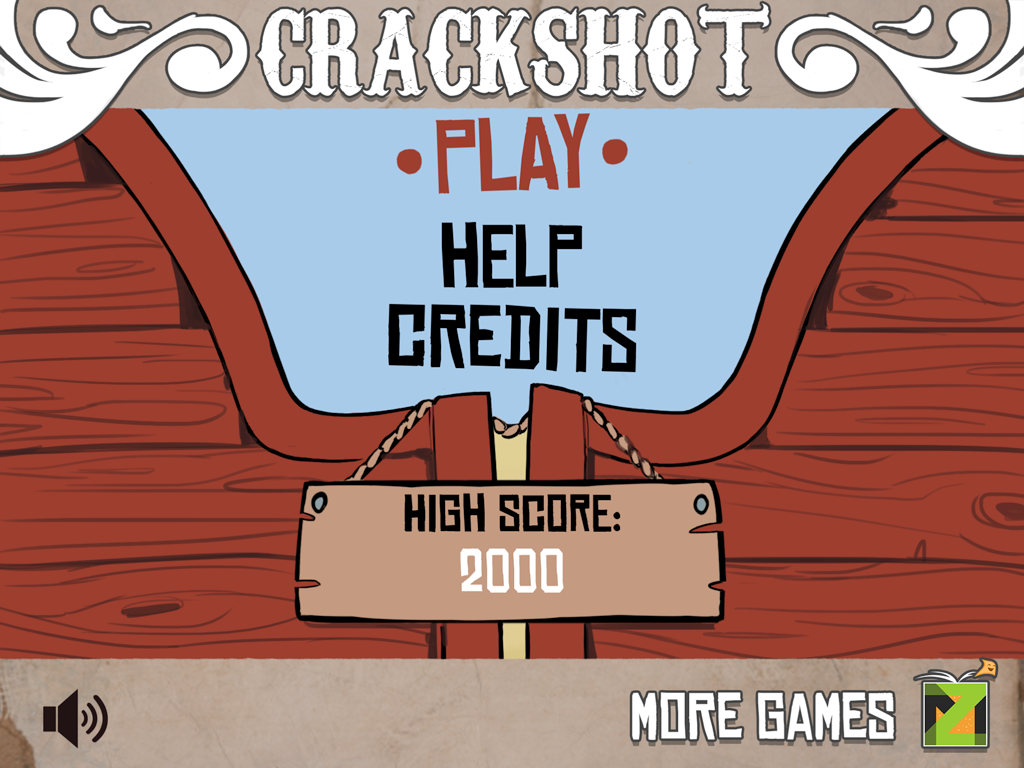
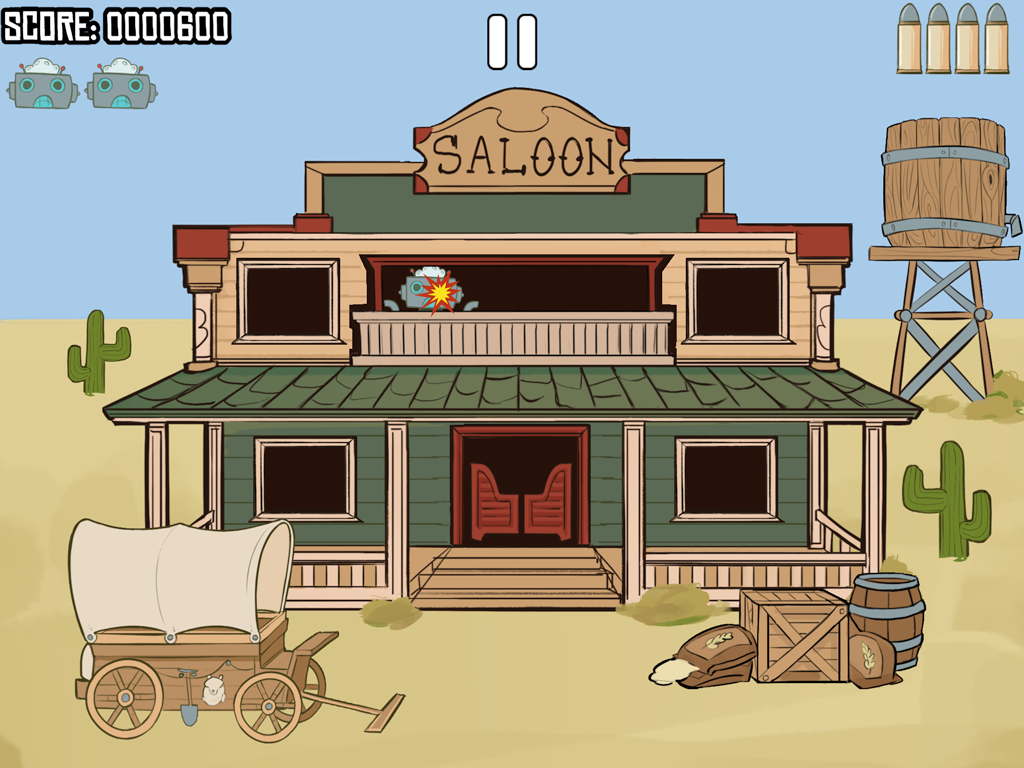
Crackshot brings the fun of an old fashioned arcade shooting range to your phone or tablet!
In a world that has the technology to build robots but not modern day infrastructure, an army of rebellious robot maids have forgotten their primary objective of helping mankind and are now interested in the extermination of it! The fate of the world is up to you and your lucky six-shooter.